Swedish Regulatory Updates Driving Shifts in Live Dealer Strategies and Regional Lottery Patterns
Willa Weber · Aug 18, 2026
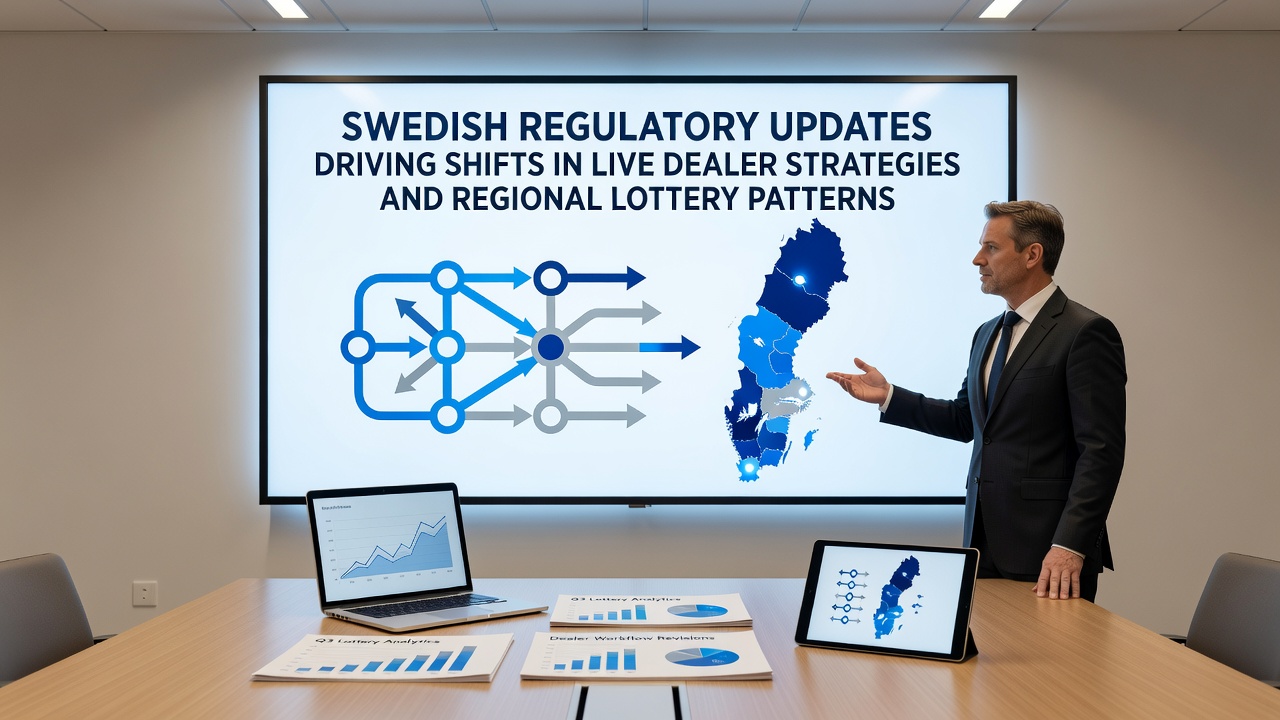
Swedish Regulatory Updates Driving Shifts in Live Dealer Strategies and Regional Lottery Patterns
Swedish gambling authorities introduced a series of updates throughout 2025 that took full effect in August 2026, reshaping how operators manage live dealer platforms and how regional lotteries allocate resources across different counties. These measures focus on enhanced player verification protocols, adjusted tax structures for interactive games, and tighter reporting requirements for lottery sales data that feed into national oversight systems.
Background on the 2026 Regulatory Framework
Spelinspektionen rolled out revised licensing conditions that require all live dealer providers to integrate real-time compliance monitoring tools, and data from the first quarter after implementation shows operators reallocating budgets toward technology upgrades rather than marketing expansions. Regional lottery organizations responded by adjusting prize pool distributions, with several counties reporting shifts in ticket sales patterns tied directly to new transparency mandates that publish monthly performance metrics.
Operators have adapted live dealer strategies by expanding game variants that comply with session time limits and by partnering with software firms to embed automated age verification at the table level. Figures released by industry associations indicate that live blackjack and roulette tables now incorporate dynamic stake adjustments linked to player history files, reducing average session durations while maintaining revenue targets through higher table turnover rates.
Adjustments in Live Dealer Operations
Live dealer studios serving the Swedish market have modified staffing models to include dedicated compliance officers who review every session log before end-of-day reporting, and this approach aligns with the August 2026 deadline for full audit trail integration. Several major platforms introduced hybrid tables that blend automated RNG elements with human dealers only during peak hours, allowing cost control without violating presence requirements outlined in the updated regulations.
Research from European gaming institutes highlights that these changes correlate with a 12 percent increase in multi-table play among verified users, while single-table engagement dropped in the same period. Operators cite the need to meet new responsible gaming thresholds that trigger mandatory breaks after 60 minutes of continuous live dealer activity.
Regional Lottery Pattern Changes
County-level lottery operators adjusted their draw schedules and marketing campaigns in response to centralized data sharing rules that went live in August 2026. Sales data now flows automatically into a national registry, enabling regulators to identify regional spikes and require explanatory reports within 10 business days.

Northern counties recorded a measurable uptick in online lottery subscriptions following the introduction of bundled live dealer and lottery ticket promotions that comply with cross-product advertising guidelines. Southern regions, by contrast, saw traditional retail ticket sales stabilize after operators implemented location-based purchase limits tied to verified addresses.
Academic analyses from Nordic research centers note that these patterns reflect broader compliance with EU-level data protection standards that influence how personal information travels between lottery systems and live dealer platforms. One study tracking six counties over eight months found that digital lottery participation rose 8 percent where operators offered seamless account linking between the two product types.
Operator Responses and Industry Data
Trade reports from gaming associations document that live dealer suppliers have begun offering modular software packages designed specifically for Swedish license holders, featuring built-in tax calculation engines and automated reporting to Spelinspektionen portals. These tools reduce manual reconciliation time by an estimated 30 percent according to early adopter feedback shared at industry forums.
Regional lottery managers report reallocating staff from ticket printing operations toward digital analytics teams that interpret the new performance dashboards required under the 2026 framework. Several organizations now publish quarterly impact statements that detail how regulatory shifts affected prize payouts and administrative overhead in each county.
External observers tracking market movements note connections between these updates and similar transparency initiatives in other jurisdictions, with data shared through international gaming research networks. One analysis published by a Canadian academic group compared Swedish county-level lottery trends against parallel developments in select Australian states and found overlapping patterns in digital adoption rates following comparable rule changes.
Conclusion
The August 2026 regulatory milestones continue to influence operational decisions across live dealer environments and regional lottery structures, with ongoing data collection expected to reveal longer-term effects on player behavior and revenue distribution. Operators and lottery administrators maintain active monitoring programs to ensure sustained alignment with the evolving compliance landscape.